




Introduction to Egypt: A Land of Rich History and Culture
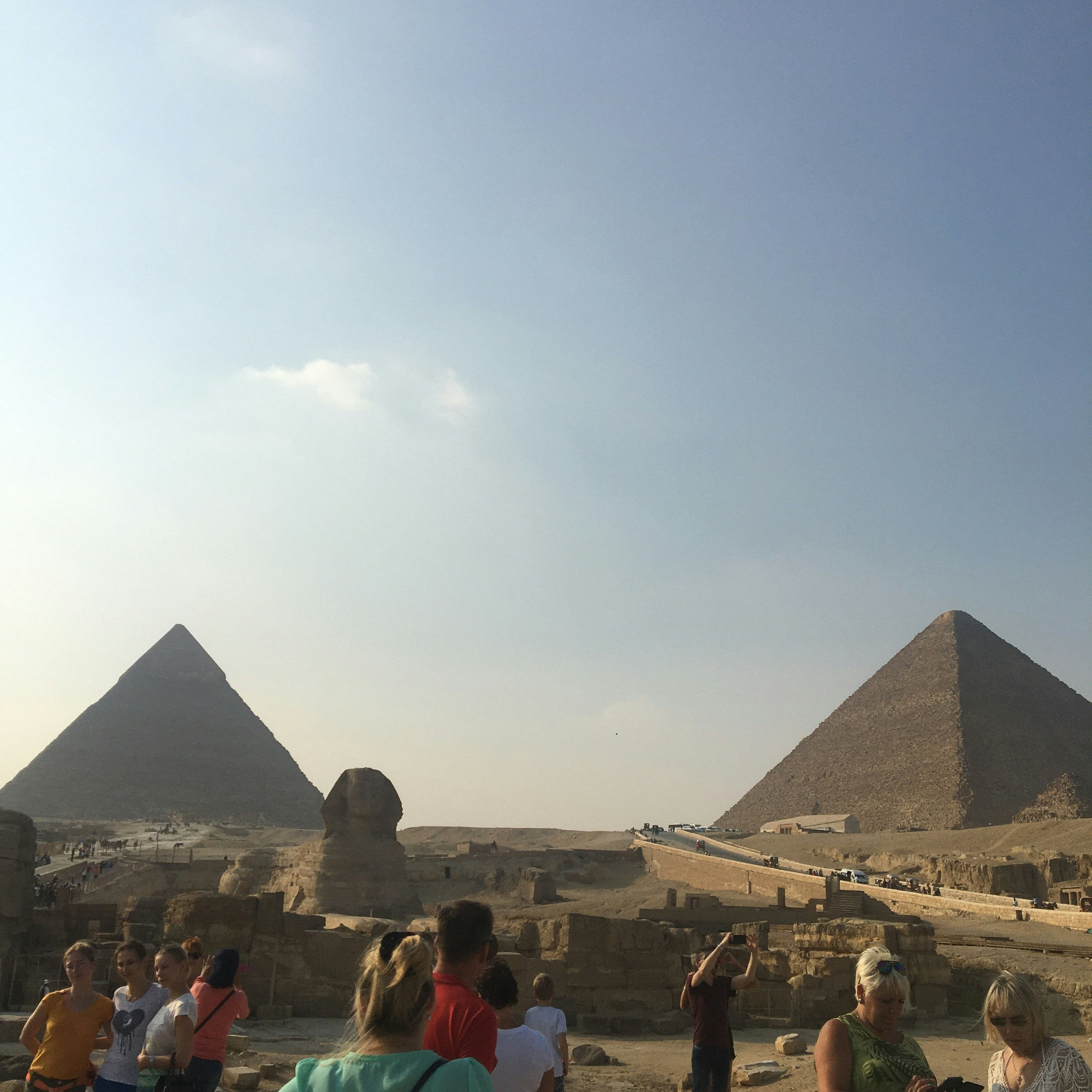
Egypt, often referred to as the cradle of civilization, is a captivating destination that draws visitors from around the globe. Its rich history, which spans thousands of years, has left an indelible mark on world culture. The ancient monuments, such as the Pyramids of Giza and the Sphinx, stand as testaments to the architectural prowess and ingenuity of the ancient Egyptians. Each site is a window into a world of pharaohs, gods, and remarkable achievements in art and science.
Beyond its ancient past, Egypt continues to be a land of vibrant culture. The bustling streets of Cairo, filled with modern attractions and historic bazaars, contrast beautifully with the serene landscapes along the Nile River. This contrast offers tourists a unique opportunity to experience both the ancient and contemporary aspects of Egyptian life. Museums, such as the Egyptian Museum in Cairo, showcase countless artifacts that narrate stories of bygone epochs, captivating history enthusiasts and casual travelers alike.
The warm hospitality of the Egyptian people enhances the appeal of this enchanting destination. Visitors often find themselves welcomed with open arms, eager to share their heritage and traditions. From delicious local cuisine to traditional music and dance, the cultural experiences in Egypt are both diverse and enriching, allowing international tourists to immerse themselves in the local way of life.
In conclusion, Egypt is a must-visit location for international tourists, offering a blend of ancient history and modern vibrancy. With its stunning landmarks and rich cultural tapestry, it promises an unforgettable journey for those who venture to explore its wonders.
Day 1: Arrival in Cairo and Exploring the City
Your Egyptian adventure begins upon your arrival at Cairo International Airport. As the bustling city welcomes you, the excitement of what lies ahead fills the air. After completing the necessary travel formalities, you will proceed to your hotel for check-in, where you can take a moment to settle in and refresh yourself. Cairo, known for its rich history and vibrant culture, is your gateway to some of the most remarkable ancient marvels.
Once your accommodations are secure, your first excursion includes a visit to the Egyptian Museum, which houses an extensive collection of artifacts, including treasures from Tutankhamun’s tomb and various mummies. The museum itself is a masterpiece, showcasing ancient Egyptian civilization through its impressive architecture and curated exhibits. Spend a few hours marveling at the antiquities, which beautifully narrate the story of a remarkable civilization that flourished for thousands of years.
Following your museum visit, head to Tahrir Square, a significant location in modern Egyptian history and a hub of political activity. Here, you can appreciate the iconic buildings that reflect both the historical and contemporary essence of Cairo. As you walk through the square, take in the atmosphere and enjoy local street vendors offering a variety of delicacies and refreshments.
To wrap up your first day, consider enjoying a traditional Egyptian dinner at a nearby restaurant, where you can savor dishes such as koshari or falafel. Experiencing the local cuisine is an essential part of immersing yourself in the culture. Afterward, return to your hotel for a peaceful night’s rest, preparing for the exciting days ahead in the captivating landscape of Egypt.
Day 2: The Giza Pyramids and Sphinx Tour
On the second day of your Egyptian adventure, you will embark on an unforgettable journey to the Giza Plateau, home to some of the world’s most iconic ancient structures, including the Great Pyramids of Giza and the Sphinx. These monumental constructions, built during the Fourth Dynasty of the Old Kingdom, serve as a testament to the engineering prowess and the cultural significance of ancient Egypt.
Start your day early to avoid the heat and to take advantage of the softer morning light, which is perfect for photography. The Great Pyramid of Khufu, the largest among the three, and its companions, the Pyramid of Khafre and the Pyramid of Menkaure, are awe-inspiring sights that not only showcase remarkable architectural skills but also the mysteries of their construction. While capturing these magnificent structures, consider using a wide-angle lens to include both the grandeur of the pyramids and the vast desert landscape surrounding them.
After exploring the pyramids, visit the nearby Sphinx, a limestone statue with a lion’s body and a human head, which is steeped in historical and mythological significance. The Sphinx is thought to guard the necropolis of Giza and has been a source of wonder and speculation throughout the ages. Ensure your camera is ready for close-ups of this extraordinary figure, especially during the golden hours of early morning or late afternoon when the sunlight casts dramatic shadows.
When planning your tour, consider joining a guided group or hiring a private guide for an enriching experience. Knowledgeable guides can provide insight into the historical context behind these ancient structures, enhancing your appreciation of their significance. Additionally, remember to carry plenty of water, wear comfortable shoes, and apply sunscreen, as the desert sun can be intense.
This day promises to be not only visually stunning but also a deep dive into the history of ancient Egypt, making it an essential part of your itinerary.
Day 3: Travel to Luxor and Karnak Temple Visit
On the third day of your journey through Egypt, you will embark on a memorable trip from Cairo to Luxor, a significant city that holds a wealth of ancient history. The distance between Cairo and Luxor is approximately 650 kilometers, and there are several travel options available to suit varying preferences. One of the most popular methods of transport is taking a domestic flight, which is the quickest mode and typically takes around one hour. Multiple airlines operate regular scheduled flights, allowing for flexible itineraries.
If you prefer a more scenic journey, consider traveling by train, which provides an opportunity to view the picturesque countryside of Egypt. The train ride from Cairo to Luxor can take between 10 to 12 hours, depending on the service chosen. Several classes of seats are available, catering to different budgets and comfort levels. Coaches are generally well-equipped, and sleeper options are ideal for overnight travel.
Upon arriving in Luxor, you will begin your exploration of the city with a visit to the Karnak Temple, one of the largest religious temples dedicated to the ancient Egyptian gods. This magnificent complex showcases an astonishing collection of temples, chapels, and pylons that demonstrate the architectural prowess of ancient Egyptians. The highlight of your visit will be the Great Hypostyle Hall, featuring 134 towering columns that uplift the grandeur of Karnak. Guided tours are available, enhancing the experience with insights into its historical significance and intricate carvings.
After exploring Karnak Temple, consider spending the afternoon at the Luxor Museum, which houses an impressive collection of artifacts from the region. The museum offers a glimpse into the rich history of ancient Thebes, presenting invaluable pieces that narrate the stories of its illustrious past. As the sun sets, reflect on a fulfilling day; you’ll have gained a deeper appreciation for Egypt’s incredible heritage.
Day 4: Valley of the Kings and Hatshepsut Temple
On Day 4 of your Egyptian journey, immerse yourself in the ancient history and architectural marvels of the Valley of the Kings and Hatshepsut Temple. The Valley of the Kings is a significant archaeological site in Luxor, housing the tombs of many Pharaohs, including the renowned Tutankhamun. To start your visit, it is advisable to purchase your tickets at the official entrance located nearby. Tickets typically allow access to several of the available tombs, while some may require an additional fee. Always check current regulations, as they can change based on ongoing conservation efforts.
The grandeur of the tombs lies not only in their intricate hieroglyphics and detailed wall paintings but also in the fascinating history they encapsulate. Each tomb was constructed as a final resting place and to safeguard the deceased’s journey into the afterlife. As you walk through these ancient halls, take time to appreciate the artistry and craftsmanship that have endured for millennia. Visitors should be prepared for warm temperatures and limited shade, so wearing a hat and bringing bottled water is advisable.
After exploring the Valley of the Kings, make your way to the Hatshepsut Temple, a stunning mortuary temple dedicated to one of Egypt’s few female pharaohs. Created in a unique architectural style, this temple is set against the backdrop of rocky cliffs, enhancing its visual appeal. Visitors are greeted by grand terraces and impressive columns as they approach the temple. It is recommended to visit early in the day to avoid crowds and to enjoy the beauty of the site in softer morning light. Keep an eye out for the magnificent reliefs that depict Hatshepsut’s reign and her divine lineage.
As you navigate your way through both sites, cameos of local guides are also a valuable resource. They provide insights into the rich history and cultural significance that each site represents, enhancing the overall experience. Make sure to capture the breathtaking views and take a moment to reflect on the stories that these monumental sites hold.
Day 5: Aswan and the Enjoyable Nile Cruise Experience
On the fifth day of your exploration in Egypt, a transition from Luxor to Aswan offers a perfect opportunity to delve deeper into the rich culture and remarkable scenery along the Nile. There are various transportation options available for this journey, accommodating different preferences and budgets. Visitors can opt for a leisurely train ride, which provides breathtaking views of the countryside, or a more rapid option via private car or domestic flights. The chosen method of transition will set the stage for an exciting day ahead.
Upon arriving in Aswan, tourists are invited to embark on a memorable Nile cruise experience. This unique journey allows guests to experience the majestic river in comfort while enjoying the luxurious amenities offered onboard. Most cruises cater to diverse preferences, with well-appointed cabins, dining options, and lounges where travelers can relax and unwind. Additionally, travelers can partake in organized activities which range from cultural performances to thematic dinners, enhancing the overall experience.
The Nile cruise presents numerous opportunities for sightseeing along the riverbanks. As you cruise, you will have the chance to visit several historical and cultural sites, including the awe-inspiring Philae Temple, dedicated to the goddess Isis, and the impressive Aswan High Dam. The cruise itineraries are thoughtfully designed to allow sufficient time for exploration, ensuring that visitors do not miss out on the wonders that Aswan has to offer.
Furthermore, the experience of sailing on the Nile during sunset is particularly enchanting, creating a picturesque setting that is perfect for capturing memories. With each passing moment, the cruise reveals stunning landscapes interspersed with the vibrant culture of the communities that reside along the river. This segment of the itinerary promises to be not just a travel day, but a celebrated adventure filled with learning and leisure.
Day 6: Abu Simbel Excursion and Return to Luxor
On Day 6 of your Egyptian adventure, prepare for an extraordinary journey to the iconic Abu Simbel temples, a UNESCO World Heritage site revered for its monumental artistry and historical significance. These temples, commissioned by Pharaoh Ramesses II in the 13th century BC, were constructed to commemorate his victories and to honor the deities Ra-Horakhty and Amun. The grand entrance, flanked by four colossal statues of the pharaoh, presents an awe-inspiring sight that echoes the grandeur of Ancient Egypt.
The excursion to Abu Simbel typically begins early in the morning from Aswan, as the site is approximately 285 kilometers (about 177 miles) southwest of the city. Travelers have a couple of options for transportation: organized bus tours or private arrangements. Bus tours generally depart at around 4:00 AM to make the most of the day, arriving at Abu Simbel around 7:30 AM. The journey provides travelers with scenic vistas of the Nubian landscape, enhancing the overall experience.
When visiting Abu Simbel, allow yourself ample time to explore both the Great Temple of Ramesses II and the smaller Temple of Nefertari. It is recommended to set aside a minimum of two to three hours to fully appreciate the intricacies of these monumental structures, including the exquisite carvings and the fascinating stories behind them.
In terms of costs, a round-trip bus excursion from Aswan to Abu Simbel typically ranges from $25 to $50 per person, depending on the operator and inclusions such as guiding services. If you prefer a more personalized experience, private transfers or guided tours may cost upwards of $150. Return trips to Aswan can be arranged during the afternoon, allowing you to either relax or continue your explorations in Luxor, perhaps by taking an evening flight or returning via a sleeper train.
Final Day in Cairo and Departure Preparations
The last day of your trip to Egypt should be balanced between leisure and preparation for your departure. Begin your morning with a leisurely breakfast at your hotel before setting out to make the most of your remaining time in Cairo. Depending on your departure time, consider visiting one of the city’s iconic landmarks that you may have missed earlier.
A visit to the Cairo Tower offers panoramic views of the sprawling city and the Nile River, making it a perfect spot to capture memorable photographs. Alternatively, you could explore the vibrant markets of Khan El Khalili, where you can find an array of unique souvenirs ranging from intricate jewelry to traditional handicrafts. This bustling bazaar is not only an excellent place to shop but also to immerse yourself in local culture.
After indulging in some last-minute shopping, enjoy a leisurely lunch at a nearby restaurant, perhaps trying some traditional Egyptian cuisine such as koshari or falafel. Be sure to leave ample time for your travel arrangements by confirming your flight details and preparing your luggage. Check that you have all necessary documents, including your passport and travel tickets, ready for your journey home.
A few hours before your flight, ensure you allocate time for transportation to the airport. Cairo’s traffic can be unpredictable, so consider booking a taxi or arranging a hotel shuttle to avoid any last-minute rush. As your memorable week in Egypt draws to a close, take a moment to reflect on the rich history and vibrant culture you’ve experienced.
In conclusion, your final day in Cairo offers an opportunity to cherish your time in this incredible city while preparing for a smooth departure. By planning your day wisely, you can enjoy all that Cairo has to offer while ensuring a stress-free journey home.
Travel Tips and Safety Advice for Tourists in Egypt
When planning a trip to Egypt, it is essential to be well-prepared to navigate the unique cultural landscape and ensure a safe experience. One of the first recommendations is to familiarize yourself with local customs and traditions. Egyptians are generally warm and hospitable, but understanding the local etiquette can enhance your travel experience. For example, it is customary to greet locals with a handshake, and dress modestly, especially when visiting religious sites.
Transportation options in Egypt can be diverse. While taxis are widely available, tourists should opt for reputable companies or ride-sharing apps, as they ensure safer travel. Public transportation, like the metro in Cairo, is a convenient choice for navigating the city; however, be aware that it may be crowded at peak times. Additionally, consider hiring a local guide for excursions to better understand the historical context of sites.
Currency considerations are also important when travelling through Egypt. The local currency is the Egyptian Pound (EGP). It is advisable to carry cash for small purchases, as many places may not accept credit cards. Currency exchange services are widely available, but always check the rates and exchange your money at trusted establishments. Furthermore, informing your bank about your travel plans can prevent any issues while using your cards abroad.
Safety is a priority while traveling. It is recommended to stay updated on local news and follow advice from travel advisories issued by your government. Keep copies of important documents like your passport and travel insurance, stored separately from the originals. Local laws must be respected, and avoiding demonstrations or politically charged areas can help you maintain a low profile. By taking these precautions, you ensure a secure and enjoyable trip while exploring Egypt’s rich history and vibrant culture.