




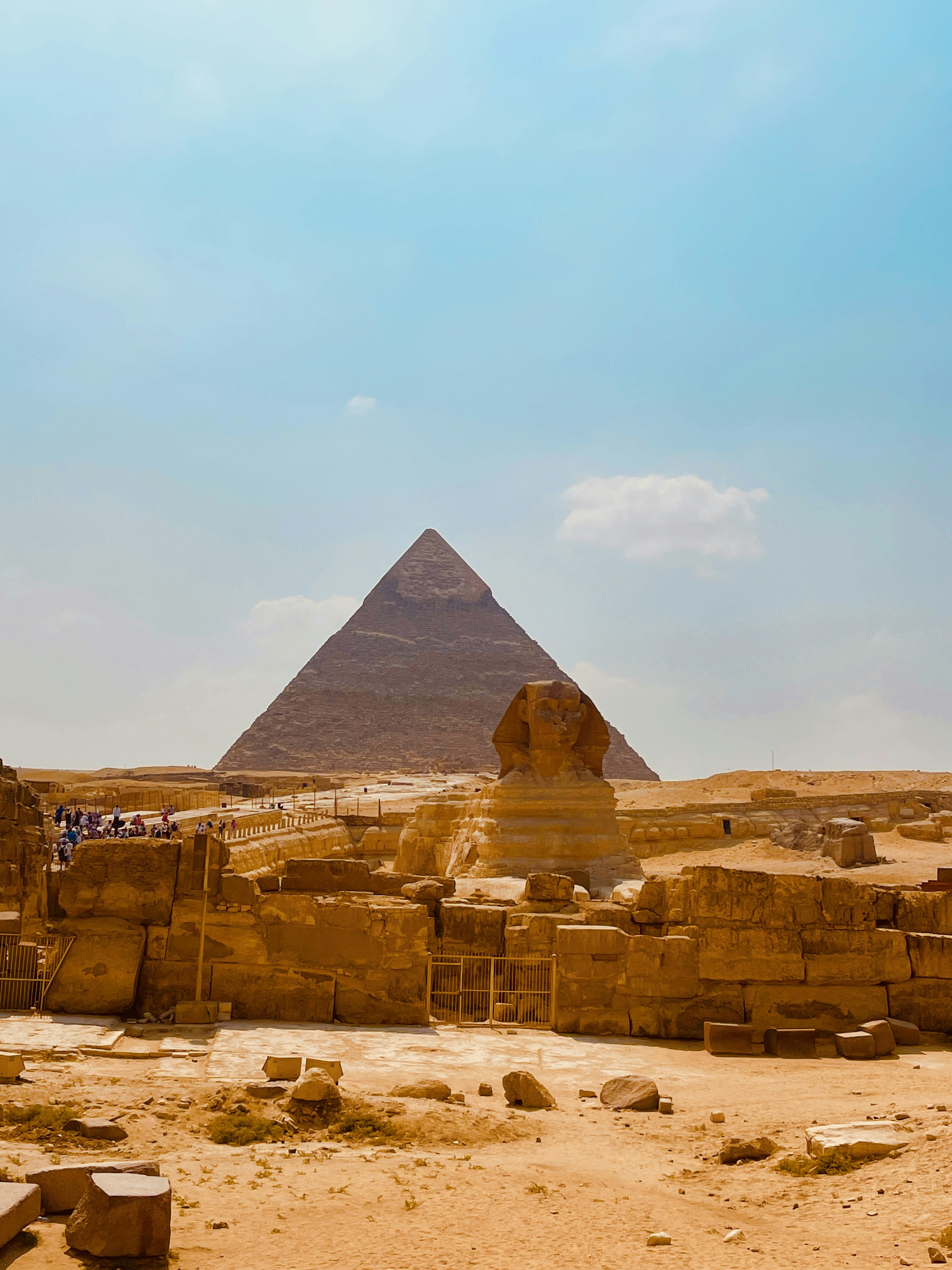
Introduction to Egypt
Egypt, a land that straddles two continents, offers an unparalleled travel experience that captivates visitors with its profound history and vibrant culture. Often referred to as the cradle of civilization, Egypt is renowned for its rich tapestry of ancient monuments, diverse landscapes, and unique traditions that reflect its long-standing significance in the world. From the mesmerizing pyramids of Giza to the bustling markets of Cairo, travelers are assured a journey steeped in both the ancient and modern.
As a travel destination, Egypt promises experiences that are as diverse as its geography. Nestled between the Mediterranean Sea and the Red Sea, it boasts everything from stunning coastlines to tranquil deserts. Adventurous travelers can explore the depths of the Nile River, while history enthusiasts will find delight in the remnants of pharaonic temples and tombs, showcasing the grandeur of Ancient Egyptian civilization. Egypt’s intriguing blend of natural beauty and architectural wonders creates numerous opportunities for exploration and discovery.
Moreover, the multifaceted culture of Egypt is reflected in its cuisine, music, and art, making it a vibrant mosaic of influences from various epochs and backgrounds. Visitors can indulge in local delicacies, engage in traditional music, or experience the warm hospitality of the Egyptian people. For those who venture into the heart of the country, a variety of activities await, ranging from guided tours of archaeological sites to relaxing resort experiences along the majestic Nile.
In essence, Egypt stands as a compelling destination that combines the allure of ancient history with contemporary culture, offering first-time visitors an enriching travel experience marked by its unique characteristics and timeless charm.
Must-Visit Attractions in Egypt
Egypt is teeming with remarkable sites that reflect its rich historical heritage and vibrant culture. One of the most iconic landmarks is the Pyramids of Giza, which have stood for over 4,500 years. As the last of the Seven Wonders of the Ancient World, the Great Pyramid of Khufu remains a fascinating testament to ancient engineering prowess. When visiting, take time to explore the Sphinx and consider guided tours that delve into the pyramids’ construction and significance.
Another must-see is the Luxor Temple, a grand structure dedicated to the worship of the Theban triad. This temple epitomizes ancient Egyptian art and architecture, showcasing splendid hieroglyphics and tall obelisks. The best time to visit is during the evening, when the temple is beautifully illuminated, allowing for a captivating experience. Travelers should also consider visiting the nearby Karnak Temple, which is only a short distance away.
The Valley of the Kings, located near Luxor, is equally essential for any visitor. This archaeological site is home to the tombs of pharaohs, most notably that of Tutankhamun. Exploring the intricately decorated tombs offers a glimpse into the beliefs and practices surrounding death in ancient Egypt. Purchasing a ticket for the ‘Valley of the Kings’ allows access to several tombs, so prioritize those that are particularly well-preserved.
Lastly, the bustling markets of Cairo, particularly Khan El Khalili, offer a vibrant contrast to the historical sites. Here, visitors can experience local culture, sampling traditional foods, bargaining for souvenirs, and immersing themselves in the lively atmosphere. This market is a perfect start or end to a day of exploration in the city. To fully appreciate the sights and sounds of these markets, setting aside ample time is advisable.
Cultural Experiences to Embrace
Exploring Egypt transcends mere sightseeing; it is an immersion into a vibrant tapestry of culture that is both ancient and contemporary. One of the most enriching ways to experience this is through traditional music and dance performances. These artistic expressions are not only entertaining but also serve as a gateway to understanding the historical and cultural contexts from which they spring. Visitors can attend scheduled shows at venues such as the Cairo Opera House, where they can witness classic performances showcasing both local and international talent.
Additionally, dance forms such as belly dancing present an authentic portrayal of Egyptian heritage. Many local venues feature live bands, and sometimes, guests are invited to participate in the dance, allowing them to engage actively with Egyptian traditions. This cultural exchange creates an ambiance of enjoyment and learning, solidifying memories that last long after the journey ends.
Art enthusiasts should not miss the opportunity to visit local galleries and artisan workshops where traditional crafts and contemporary artworks shed light on Egyptian social practices. From intricate hieroglyphics that tell stories of ancient pharaohs to modern interpretations reflecting societal changes, art in Egypt is deeply rooted in both history and modernity. Engaging with local artists allows visitors to gain insights into the creative process and discuss the significance of specific works within the broader scope of Egyptian culture.
Lastly, participating in local festivals presents a chance to experience Egypt’s rituals and traditions firsthand. Events such as the Abu Simbel Sun Festival or the Cairo Carnival highlight communal values and the importance of heritage. Through these experiences, travelers will cultivate a deeper appreciation for Egypt’s rich customs and social practices.
Savoring Local Cuisine
Egyptian cuisine is a vibrant tapestry of flavors and traditions that reflect the country’s rich cultural heritage. Among the myriad of dishes that define this culinary landscape, Koshari stands out as a beloved national dish. This hearty mix of rice, lentils, chickpeas, and pasta is topped with a spiced tomato sauce and garnished with crispy onions. Koshari is not only a filling meal but also a testament to the fusion of various culinary influences that shape Egyptian cooking.
Another staple in Egyptian cuisine is Ful Medames, a dish made from fava beans slowly cooked to perfection. Often served in a bowl with olive oil, garlic, and lemon juice, Ful Medames can be enjoyed as a hearty breakfast or a light lunch. It is common to find this dish being prepared at street-side stalls, making it an accessible option for both locals and tourists.
No exploration of Egyptian cuisine would be complete without indulging in the myriad of Egyptian sweets. Desserts such as Basbousa, a semolina cake soaked in syrup, and Knafeh, featuring thin noodle-like pastry filled with cheese and topped with syrup, provide a delightful finish to any meal. Visitors are encouraged to visit local bakeries or markets to experience the authentic taste of these treats.
When dining in Egypt, it is customary to share meals and embrace a communal dining experience. Traditional dining spaces, often called ahwa (coffeehouses), serve not only food but also function as social hubs for locals. Visitors can enhance their culinary journey by trying to learn a few phrases in Arabic to express appreciation and engage with the locals about their culinary traditions.
In conclusion, immersing oneself in the local cuisine of Egypt offers an unforgettable experience, filled with distinctive flavors and cultural connections. Enjoying dishes like Koshari and Ful Medames is not merely satisfying hunger, but also a way to engage deeply with Egyptian culture.
Transportation Options Around Egypt
Traveling within Egypt offers a variety of transportation options that cater to different preferences and budgets. Understanding these methods is essential for first-time visitors as they plan their journey across this historically rich nation.
Public transportation in Egypt is a viable choice for those looking to explore cities affordably. The metro system in Cairo is particularly efficient, connecting major districts and tourist attractions. Buses are another option, though they can be crowded and may not always adhere to strict schedules. For visitors seeking a more comfortable journey, the Egyptian National Railways provides train services between major cities, such as Cairo, Luxor, and Alexandria.
Car rentals are a practical choice for those who wish to have the flexibility of driving around. Various international and local rental companies operate in Egypt, allowing visitors to navigate the roads at their own pace. However, it is crucial to note that driving in Egypt can be challenging due to traffic conditions and different road rules. Therefore, having a GPS or a reliable map is advisable to ensure a smoother driving experience.
Taxis and ride-sharing services such as Uber are widely available in urban areas. These options offer convenience, especially for short distances or when traveling at night. It is essential to confirm the fare beforehand or ensure the meter is running to avoid misunderstandings. Numerous tourists prefer using taxis for their ability to provide direct routes to specific sites.
For longer distances, domestic flights are an efficient way to travel between key tourist destinations, particularly for those with limited time. Major airlines service routes between locations like Cairo, Hurghada, and Sharm El Sheikh. Booking flights in advance can lead to better prices, enhancing the overall travel experience.
In conclusion, navigating Egypt can be accomplished through various transportation methods, each offering unique advantages. Visitors should evaluate their options based on convenience, cost, and comfort to optimize their travel experience in this fascinating country.
Understanding Safety and Health Tips
When traveling to Egypt, ensuring your personal safety and health is paramount. As a first-time visitor, it is important to familiarize yourself with some fundamental safety tips that can enhance your travel experience. One of the primary rules is to stay aware of your surroundings, especially in busy areas such as markets or tourist destinations. Pickpocketing can occur, so it is advisable to keep your valuables secure and close to your body.
To mitigate potential risks, avoid displaying large amounts of cash or expensive jewelry. Use reputable taxi services or reputable ride-sharing apps to travel around cities rather than accepting rides from strangers. Additionally, travelers should be cautious about unfamiliar areas, particularly at night, and seek recommendations for safe neighborhoods from locals or hotel staff.
Common scams can be prevalent in tourist areas. These can range from overly aggressive street vendors to misleading offers. Familiarize yourself with these scams by researching or consulting local experts. If confronted, remain polite but assertive; knowing how to say “no” confidently can often defuse a situation.
Health-wise, it is recommended to stay hydrated, particularly in Egypt’s hot climate. Drinking bottled water is typically safer than tap water, and travelers should be cautious with street food. Ensure that any food you consume is fresh and well-cooked to avoid foodborne illnesses. Vaccinations for common diseases such as Hepatitis A and Typhoid are often recommended prior to your trip.
Carrying a basic first aid kit can be beneficial, including items such as antiseptic wipes, adhesive bandages, and any personal medications. Lastly, always have the contact information for local emergency services and your country’s embassy or consulate readily available.
Visa Requirements and Entry Guidelines
Traveling to Egypt requires compliance with specific visa requirements that vary based on nationality and the purpose of the visit. For many travelers, obtaining a visa is a crucial part of planning a trip to this magnificent destination. Primarily, tourists need to secure a visa to enter Egypt, which can be done through several methods depending on individual circumstances.
The most common type of visa for tourists is the Tourist Visa, which is typically valid for 30 days and can be obtained as either a single-entry or multiple-entry permit. A single-entry visa allows for one entry into the country, whereas a multiple-entry visa permits numerous visits within its validity period. Travelers from certain countries may also qualify for visa-exemption agreements, meaning they can enter Egypt without a visa for short stays.
Obtaining a visa can be a straightforward process. Travelers may apply for an e-Visa online, making it convenient to manage visa requirements prior to arrival. The application process usually requires a passport with at least six months of validity beyond the intended date of entry, a digital passport photo, and details of the planned travel itinerary. Alternatively, visitors can apply for a visa upon arrival at designated entry points, such as Cairo International Airport. However, having a visa arranged beforehand is often recommended to streamline the process and avoid potential delays.
It is essential to stay informed about any documentation required before traveling. This includes proof of accommodation, return flight bookings, and health insurance coverage, as some entry points may request evidence of these items. Furthermore, travelers should be aware of any updates or changes to Egypt’s entry guidelines, particularly in response to global health concerns. This preparedness ensures a smooth entrance into this culturally rich and vibrant country.
Practical Travel Advice
Traveling to Egypt as a first-time visitor requires ample preparation to ensure a smooth and enjoyable experience. One of the first considerations is currency exchange. The official currency is the Egyptian Pound (EGP), and it is advisable to exchange some currency before arriving or at the airport. However, ATMs are widely available in major cities, allowing travelers to withdraw cash as needed. Be aware that while many establishments accept credit cards, smaller vendors and markets may prefer cash.
Language can be a barrier for some travelers, as Arabic is the official language of Egypt. However, English is commonly spoken in tourist areas, hotels, and restaurants. Learning a few basic Arabic phrases can enhance interactions with locals and provide a more immersive experience. Simple greetings or polite expressions can be particularly appreciated, demonstrating respect for the local culture.
Cultural etiquette is paramount when traveling in Egypt. Dress modestly, especially when visiting religious sites, to show respect for local customs. Women should consider wearing long skirts or pants and cover their shoulders, while men should avoid shorts in sacred places. Additionally, it is courteous to ask permission before taking photographs of individuals, particularly in rural areas.
As for packing, travelers should consider the weather conditions, which can vary significantly. Summers can be extremely hot, so lightweight and breathable clothing is recommended, along with sunscreen and a hat. In contrast, winters can be cool, especially in the evenings, making it wise to pack a light jacket. Essential items include comfortable walking shoes for exploring, reusable water bottles to stay hydrated, and travel adapters for electronic devices.
In essence, being aware of practical aspects such as currency, language, cultural norms, and suitable packing can greatly enhance your travel experience in Egypt. Careful planning will not only provide comfort but also foster positive interactions and memories during your stay in this historic and vibrant destination.
Conclusion and Final Thoughts
As we explore the vast array of experiences Egypt has to offer, it becomes evident that this remarkable country holds countless treasures waiting to be discovered. From the awe-inspiring pyramids of Giza that have stood the test of time to the vibrant markets of Cairo, each destination tells a unique story steeped in rich history and cultural significance. For first-time visitors, planning a trip to Egypt is not just about sightseeing; it is about immersing oneself in a world where ancient wonders coalesce with modern life.
Throughout this guide, we have covered essential recommendations on itineraries, local cuisine, cultural norms, and practical travel tips that are integral to a rewarding visit. It is crucial for travelers to respect the local customs while also embracing the warm hospitality of the Egyptian people. Understanding the etiquette and traditions will enrich your interactions and enhance your overall experience.
Moreover, engaging in activities such as a leisurely cruise on the Nile, exploring the haunting beauty of the temples at Luxor, or diving into the stunning Red Sea can further elevate your journey. Each moment spent in this fascinating land will contribute to an adventure full of memories.
In summary, Egypt is a destination that offers an unparalleled travel experience for first-time visitors. By preparing adequately and keeping these insights in mind, you can maximize your adventure and create lasting memories. The enchanting landscapes, awe-inspiring architecture, and the vibrancy of daily life in Egypt await your exploration. Start planning your trip today, and be ready for an unforgettable adventure that will leave a lasting impression!